
Skip to content
Nutter Design Group
Menu

Children's Care Home, Hutton

A family house on a residential lane in Hutton, Preston, converted for use as a children's care home with no extension, through a Certificate of Lawfulness rather than a planning application.

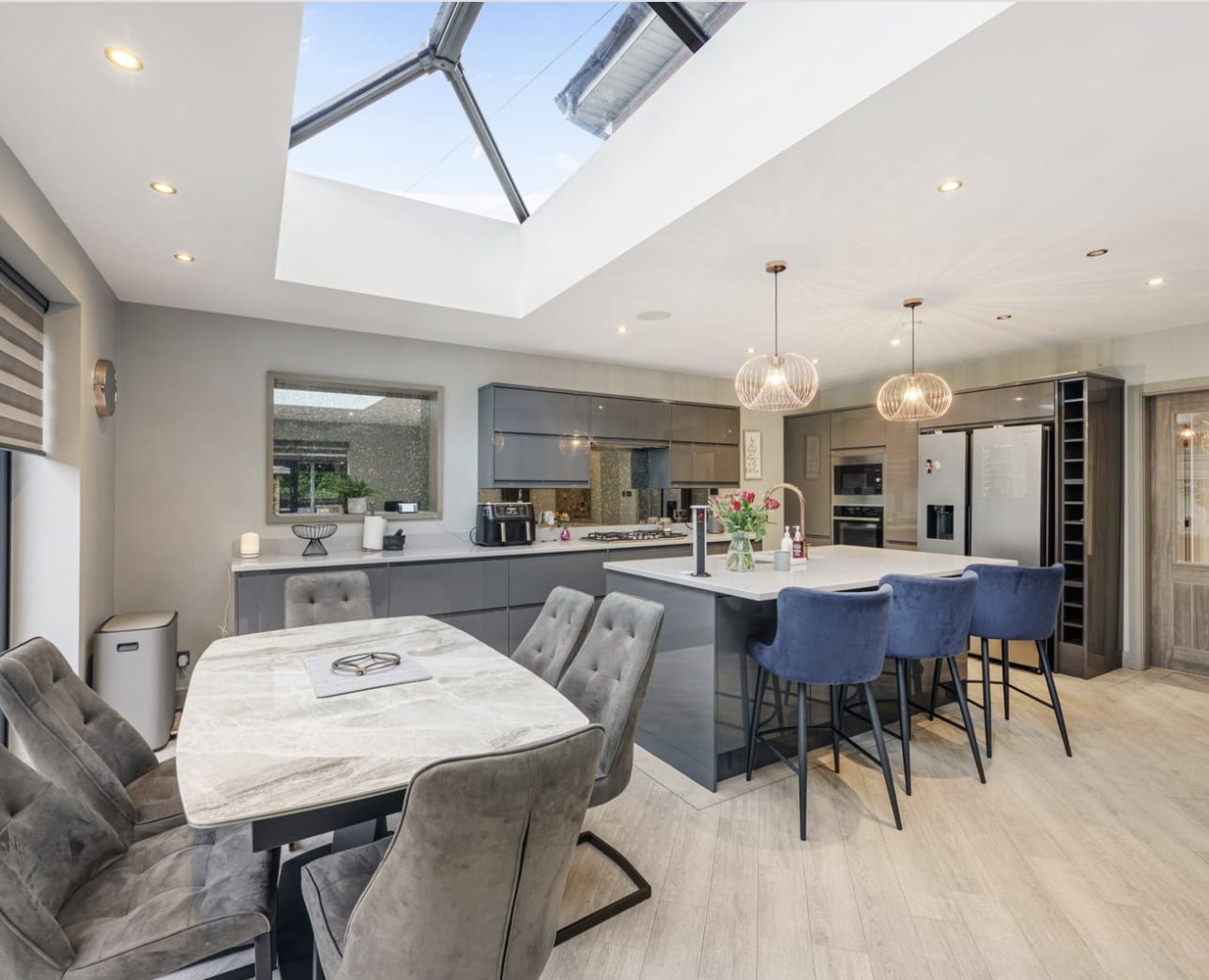
The kitchen and family room of the house, lit by a roof lantern, with an island and a dining table on a pale timber-effect floor

Project facts

Client
Private children's care operator
Location
4 Ratten Lane, Hutton, Preston
Scheme
Existing dwelling to children's care home

Services provided

Sector

Supported Living & Care

What is the scheme?

An existing family house on Ratten Lane in Hutton, a residential lane on the western edge of Preston, converted for use as a children's care home. There was no extension and no change to the outside of the house. It stays a home in every visible sense, but it now provides care for young people. TODO: number of children / bedrooms.

The key decision was the route. We did not apply for full planning permission for a change of use. We secured a Certificate of Lawfulness, which confirms that using the property as a small children's home does not amount to a material change of use from a family dwelling. The result was a faster, more certain decision that the operator could rely on, without the uncertainty of a contested planning application.

Why a Certificate of Lawfulness rather than a planning application?

Because for the right house and the right model of care, planning permission may not be needed at all. When a small number of children live together as a household, with carers working a rota, the day-to-day use can be much the same as a family living in the house: the same bedrooms, kitchen, garden and comings and goings. When that is the case, a Certificate of Lawfulness is the right tool, and it gives the operator a formal, legally binding answer.

The case depends on the evidence, not on assertion. That means setting out how the home will run: how many children, how many staff on shift, how handovers work, how many vehicles, how visits happen. Then it means showing that none of this changes the character of the use. Getting that information right is what decides the outcome.

What decides whether a children's home scheme like this works?

The property and the operating model, considered together. The number of bedrooms, parking, the garden, the neighbours and the staffing pattern all bear on whether a house can take a children's home without material change, or whether full planning permission is the safer route. We look at that before an operator commits to a lease or a purchase, not after.

For operators growing a portfolio, the value is repeatability. Each local authority weighs these cases a little differently, but the questions are always the same. We support children's care operators rolling out new homes by testing sites early, choosing the right planning route for each one, and building a clear evidence base. That way each new home opens with certainty rather than risk.

Something like this?

If this scheme resembles your site or your programme, mentioning it is the quickest way to a conversation that gets somewhere.